It’s the same Mt. Kizumi story, yet in one old family’s chronicle the tale begins with love. First, the kamishibai. The ogres all yield, to the last — and yet the prince who won did not return. Of the three, it’s the quietest and saddest. This is a [Written Record] installment.
Kamishibai — The Prince’s Tale
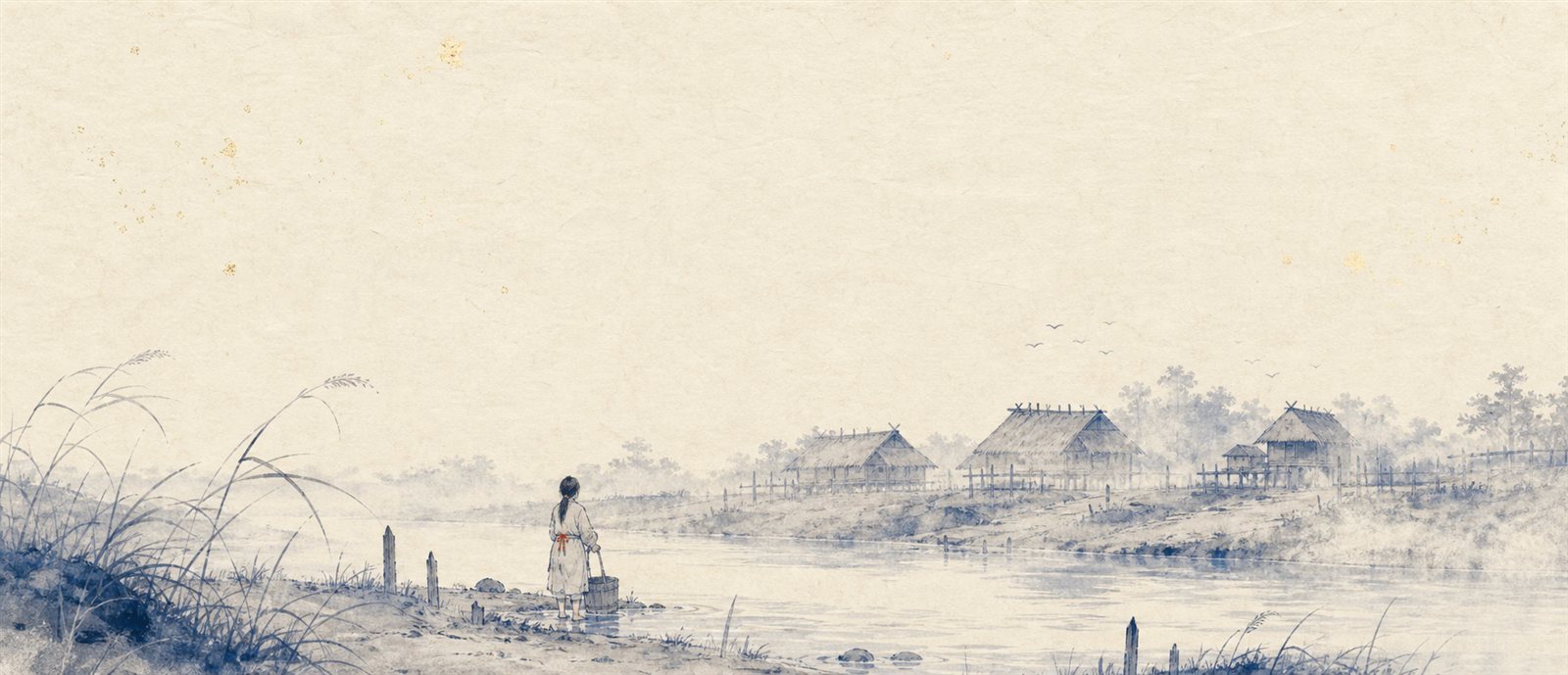
Long ago, in the village of Muki in the land of Hōki, there was a woman of great beauty named Asazuma.
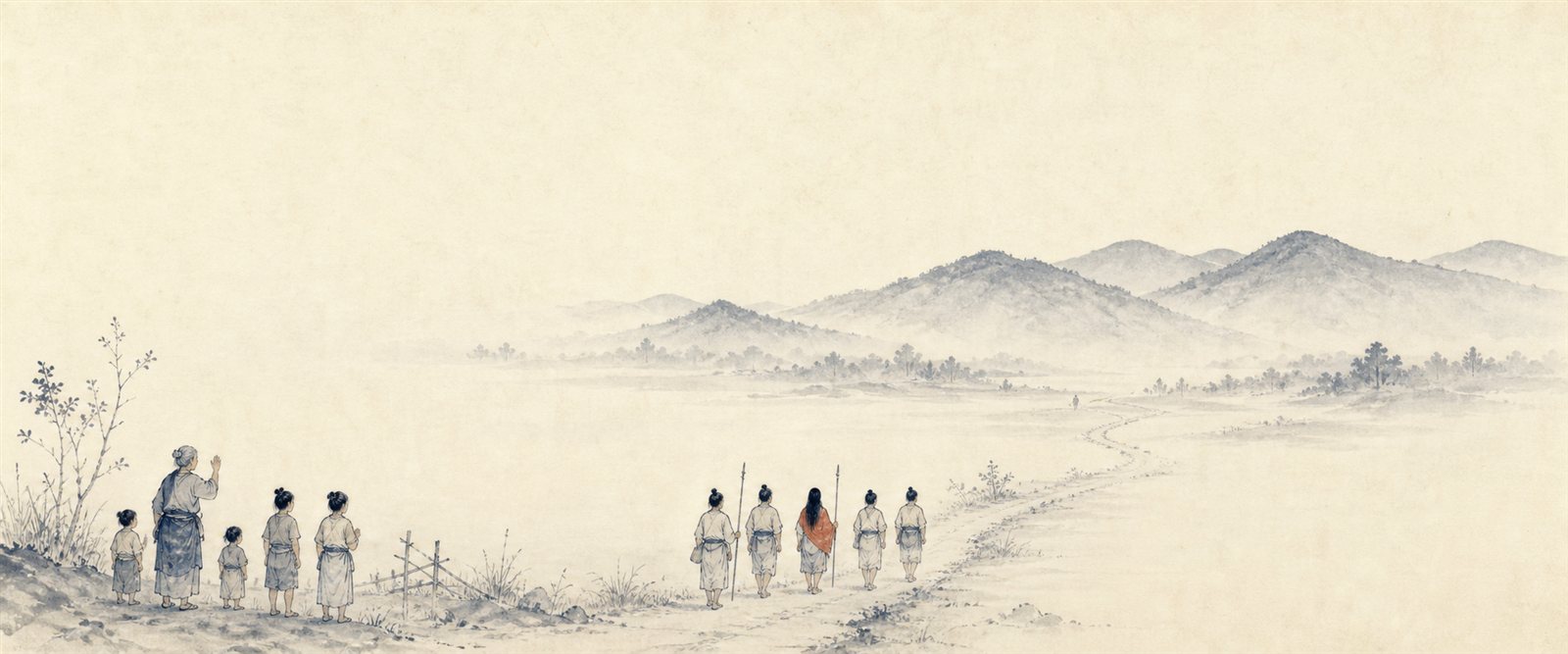
Her beauty came to be known as far as the capital. The maiden was summoned, and entered the service of the sovereign.
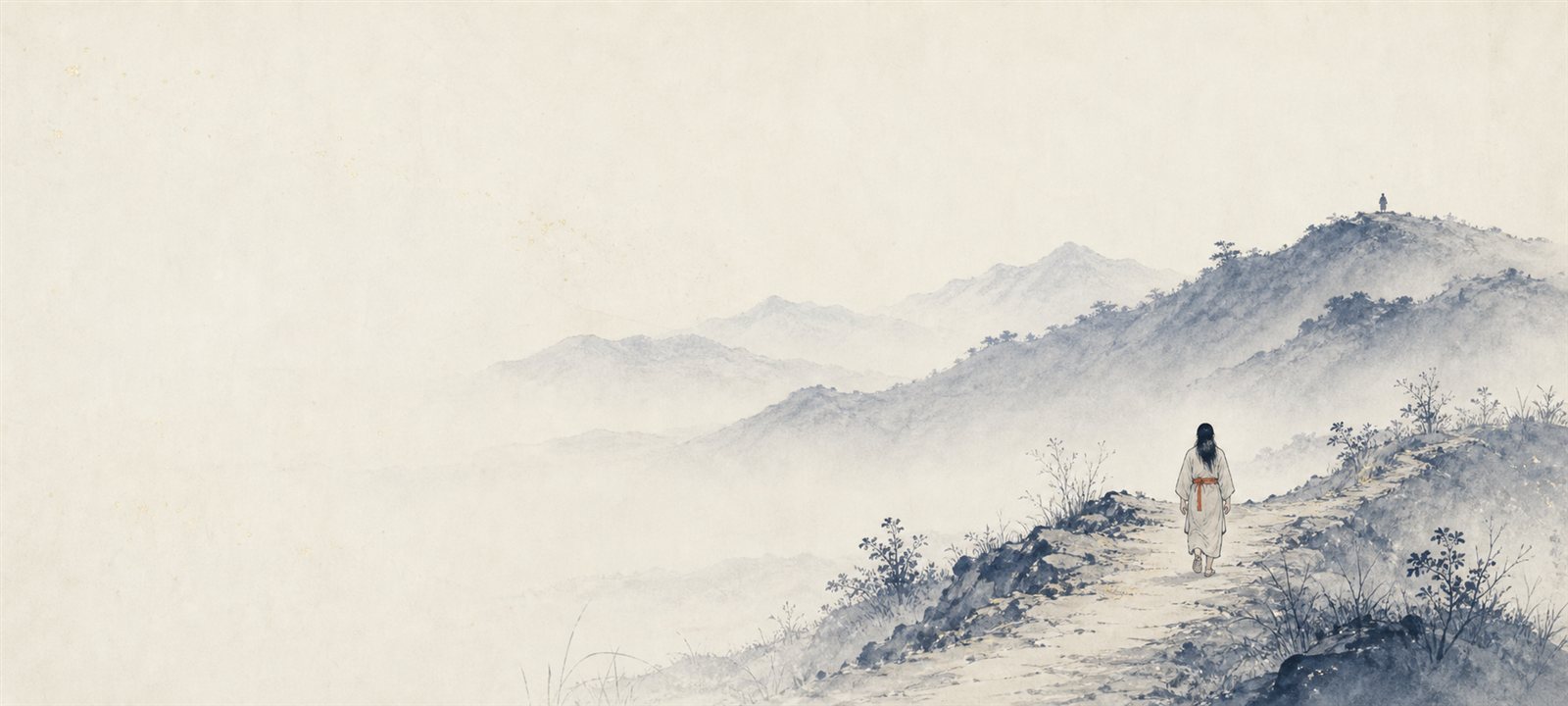
But in her homeland, an aged mother lived alone. The maiden asked leave to go, and returned to Hōki to care for her mother.
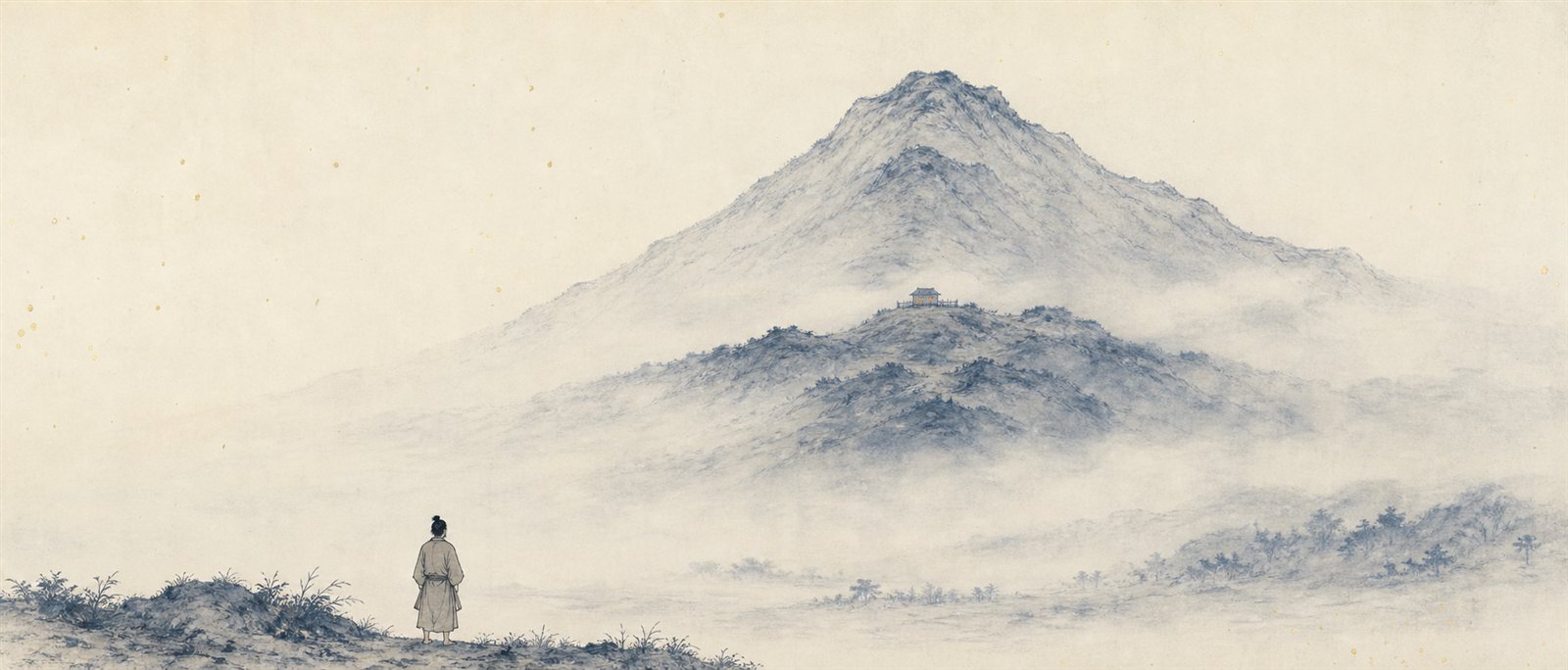
And then — the sovereign himself, longing for her, came down all the way to Hōki. The mountain where he stayed for a time came to be called Mt. Kōrei.
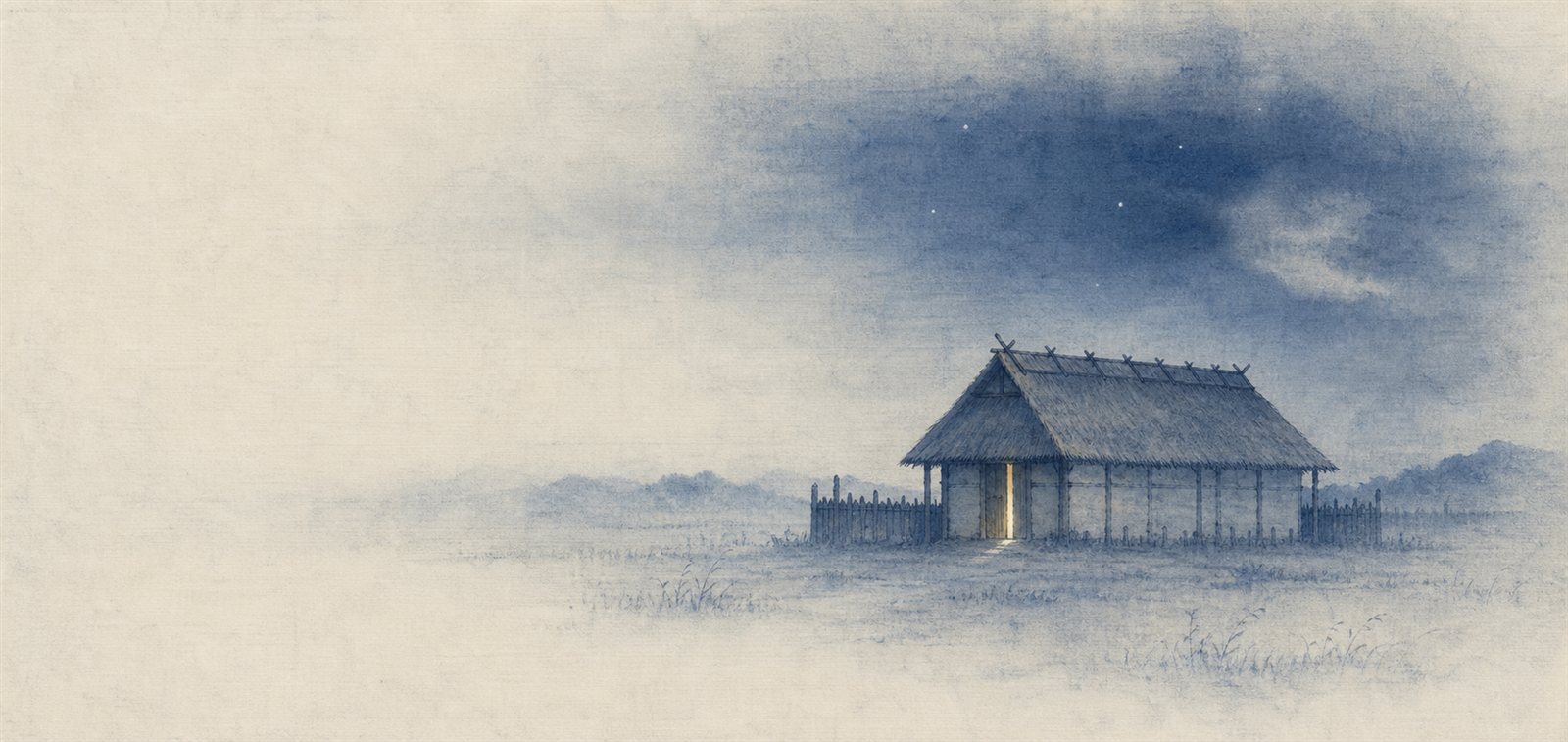
In time a prince was born between them. His name was Uguisu-ō.
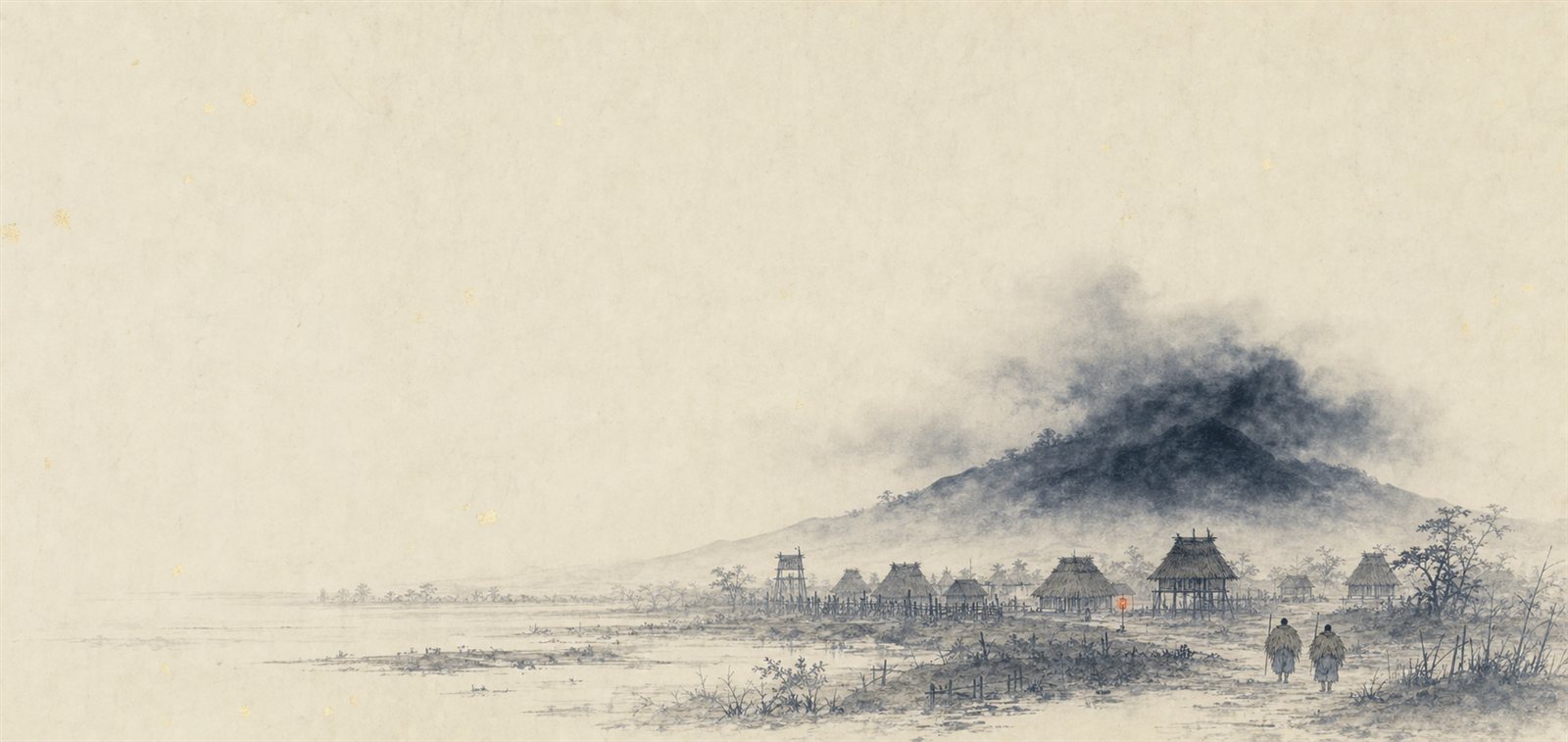
Around that time, evil ogres dwelt on Mt. Kizumi in Hino, tormenting the people nearby.
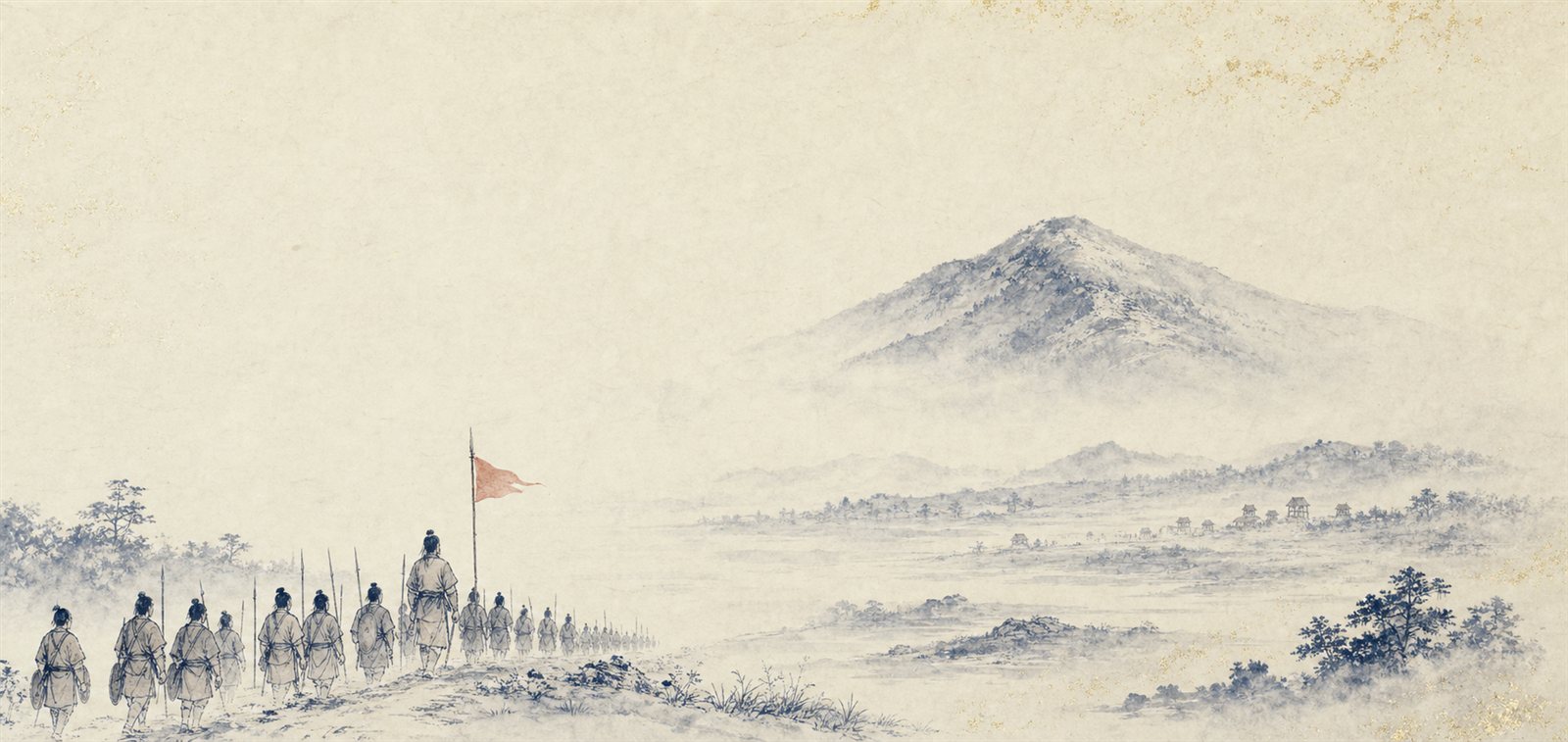
The retainer Ōmuraji stepped forward and said: “With Prince Uguisu as our general, and I attending him, we will go and subdue them.” An imperial command was given, and the army set out for Mt. Kizumi.
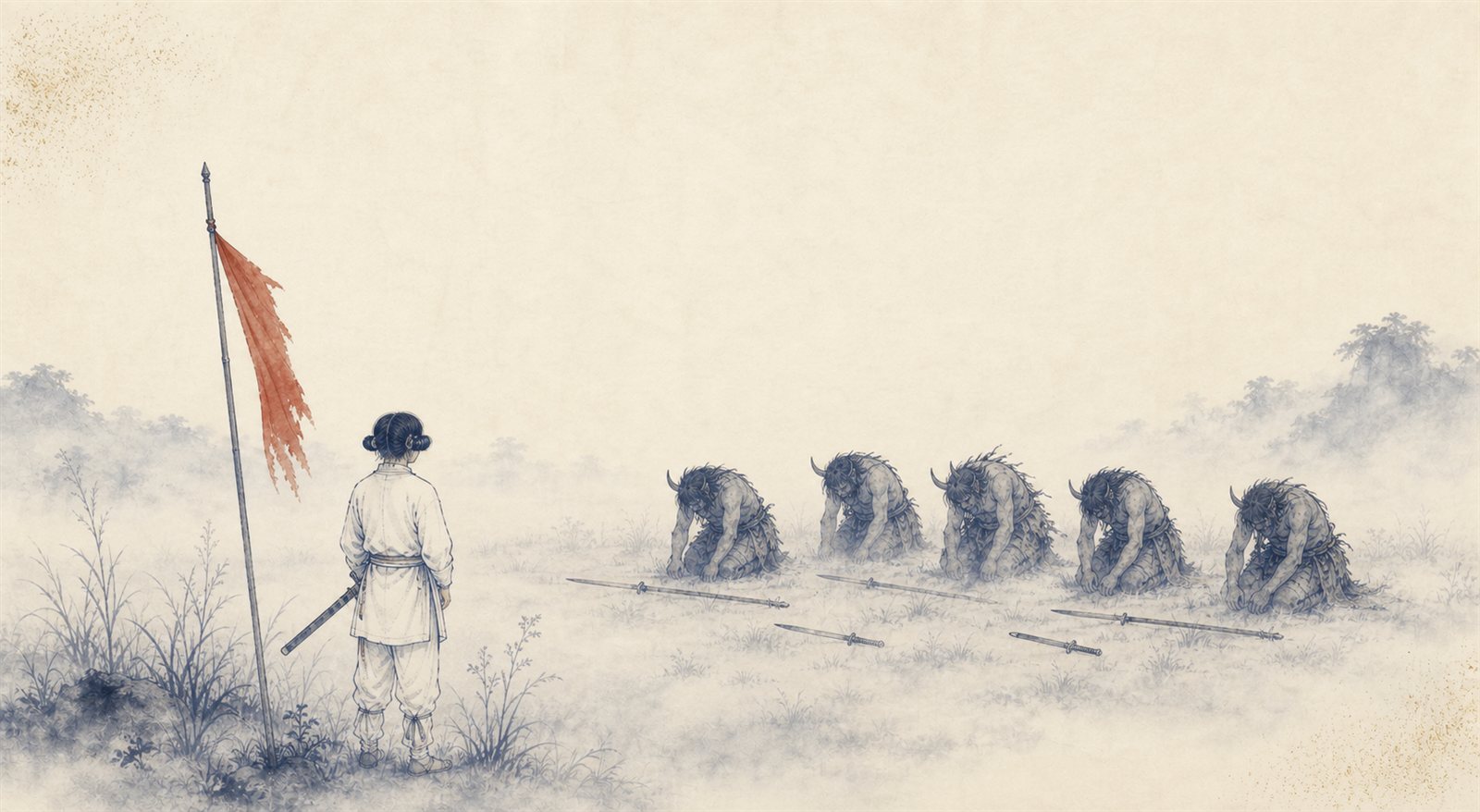
The family chronicle records the battle’s outcome in a single line. — The evil ogres yielded, to the last.
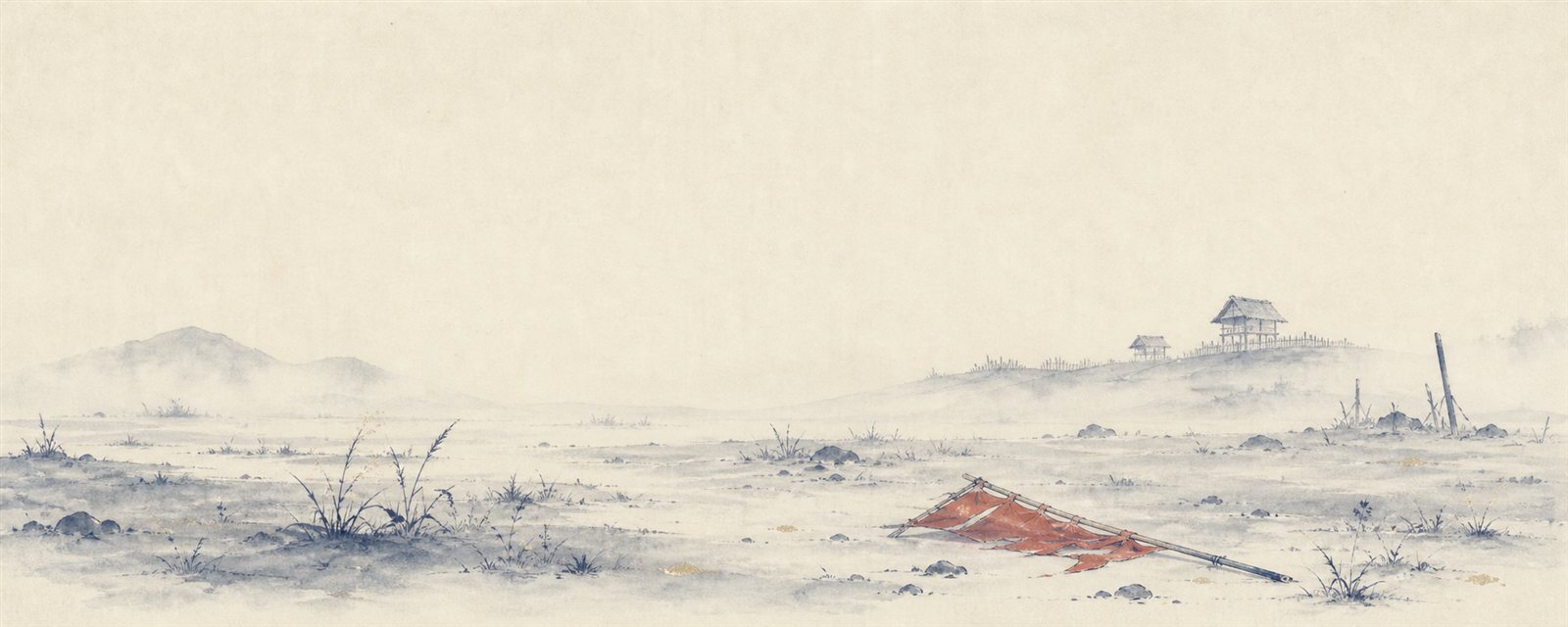
It was a victory. And yet. — Prince Uguisu fell in battle in this land. The evil ogres all yielded, to the last, and still the prince who won did not return.
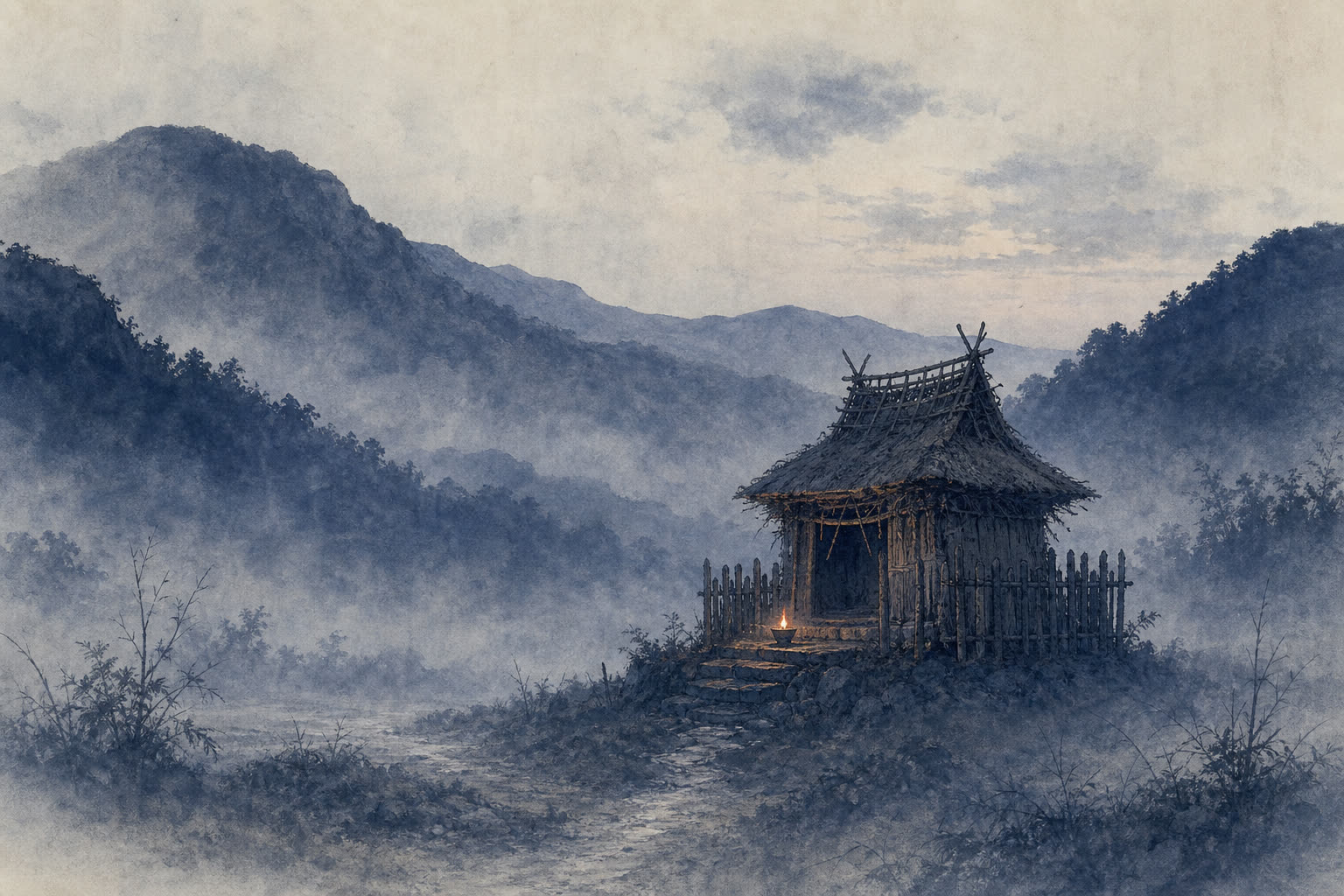
Enshrined at the shrine below, they say, is the spirit of this prince who fell so young. Before the shrine at dusk, a single light. Only the wind remains.
—This is one of the three tales handed down at Mt. Kizumi.
From here, the sources
This tale is recorded in the “Oral Traditions” chapter of the Hino-gun-shi, as a separate line from the origin record of Sasafuku Shrine. It is the Yuen Sedai-shō, a chronicle handed down by the Shin family, an old house of Hino District. It’s the same mountain’s story, yet built completely differently.
Asazuma-hime
Long ago, in the village of Muki in Hōki, there was a beautiful woman named Asazuma. In time her renown reached the capital, and the maiden became a court lady to Emperor Kōrei. But in her homeland, an aged mother lived alone. The maiden asked leave to go, and returned to her village to care for her mother.
Here is where this tale turns peculiar — the emperor himself, longing for the maiden, comes all the way to Hōki. The mountain where the emperor stayed for a time later came to be called Mt. Kōrei, says the chronicle. That very mountain that rises east of Yonago.
A prince was born between them. His name was Uguisu-ō (Prince Uguisu).
To Mt. Kizumi
Around that time, evil ogres dwelt on Mt. Kizumi in Hino District and tormented the people nearby. The retainer Ōmuraji advised: “With Prince Uguisu as general, and I attending him, we will subdue them.” An imperial command was given, and the army went to Mt. Kizumi. The chronicle records the result in a single line: “The evil ogres yielded, to the last.”
Here too the ogres are not destroyed. The same ending as the elder ogre’s surrender — “the enemy yields and submits.” Two tales of different lines share the same core.
And still, the prince did not return
It was a victory. At this time, the retainer Ōmuraji, who had pressed (“advanced”) at the very front of the army, was granted for his merit the single character “Shin” (to advance) as his surname. Because he “advanced” at the front, he became “Shin.” A play on words, this origin tale of a surname. This, the chronicle says, is the beginning of the Shin family that still continues in Hino District today. The legend connects to a real surname.
And the chronicle closes, quietly, like this: “Prince Uguisu fell in battle in this land. The Sasafuku of today enshrines the spirit of the departed Prince Uguisu.”
Prince Uguisu fell in battle in this land. And what Sasafuku Shrine enshrines, this line tells us, is the spirit of this prince who fell so young.
Beside the somehow humorous dumpling-and-bamboo ogre-slaying, a variation this quiet and sad lay sleeping. The evil ogres all yielded, yet the prince on the winning side did not return. Who is enshrined at the shrine below the mountain — the emperor, or the prince? That the answer itself differs by tradition is the depth of this mountain’s history.
A word from the rabbit: An emperor who chases love all the way to San’in, and a prince who fought at the very front. It’s not in the textbooks, but this is the version that makes me cry the most.
References:
- The Shin Chōja Legend (i): the Furuichi Yamane family’s Yuen Sedai-shō — Hino-gun-shi, vol. 2 (Hino District Self-Government Association, 1926), ch. 14, Oral Traditions, National Diet Library Digital Collection (frames 542–543)
- ※ The editor of the Hino-gun-shi notes that the genealogical account in this family chronicle “contains errors of fact and chronology.” Please read this article, too, not as historical fact but as a story a family carefully handed down. Misreadings of the old characters and old kana may be included.
- ※ All kamishibai illustrations are AI-generated (made as images of the traditional scenes).